
ROAD NOTE · KHAMMOUANE
Thakhek Loop
The Loop Thakhek Motorbike Loop Khammouane Loop
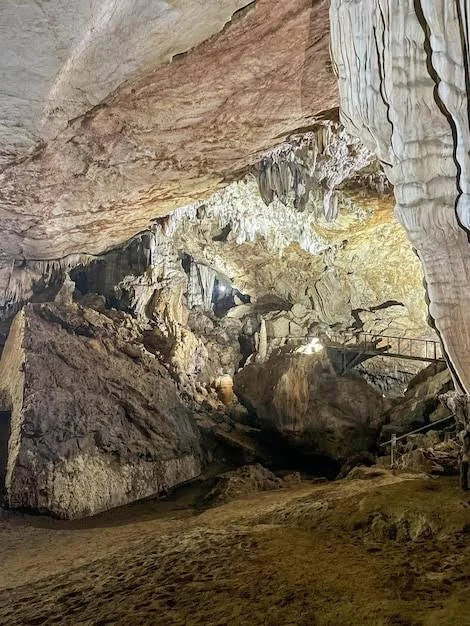
The Thakhek Loop is Khammouane as a road journey: roughly 450 kilometres linking Cave Alley, the Nakai Plateau, Thalang, the karst corridor and Kong Lor before returning to the Mekong.
- 01 Leave Thakhek through Cave Alley
- 02 Climb to Thalang and the reservoir
- 03 Cross the karst corridor toward Kong Lor
- 04 Return via Route 8 and Route 13
Four days is the clean classic plan. Three days works only by compressing stops; five days gives the road, caves and swimming places more room.

FIELD NOTES
THE QUICK READ
Thakhek Loop / Laos
TIME
4 DAYS
classic itinerary · 3–5 days recommended
ROUTE
450 KM CIRCUIT
Route 12 · Thalang · Kong Lor · Route 8/13 return
BUDGET
100–200K KIP/DAY
official motorbike-rental range · fuel, rooms and tickets extra
BEST FOR
THE ROAD TRIP
karst roads · caves · swimming stops · Kong Lor
THE ROAD
The Loop is the activity
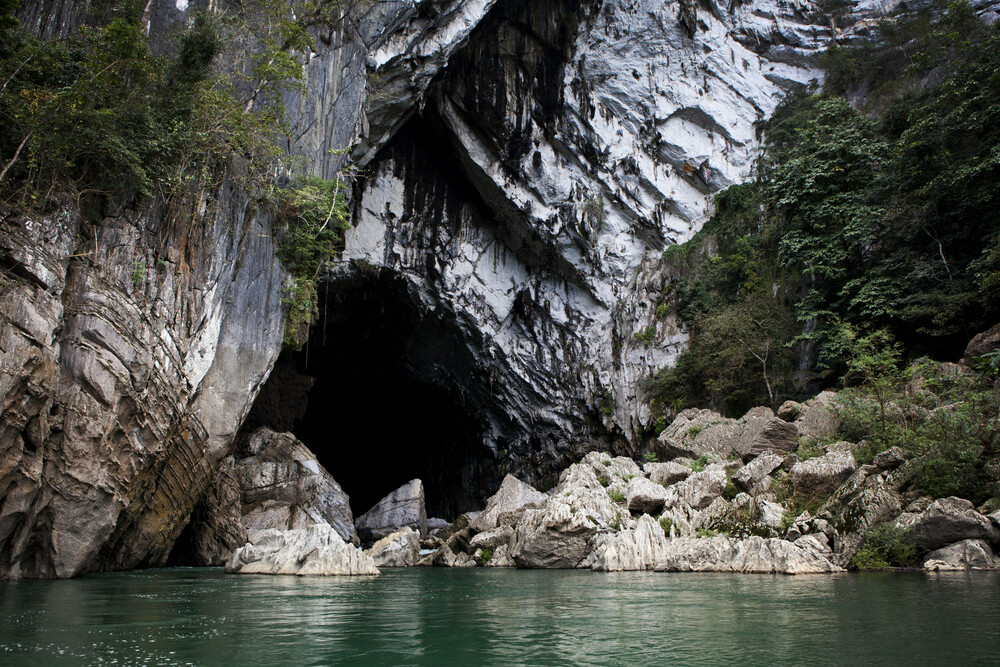
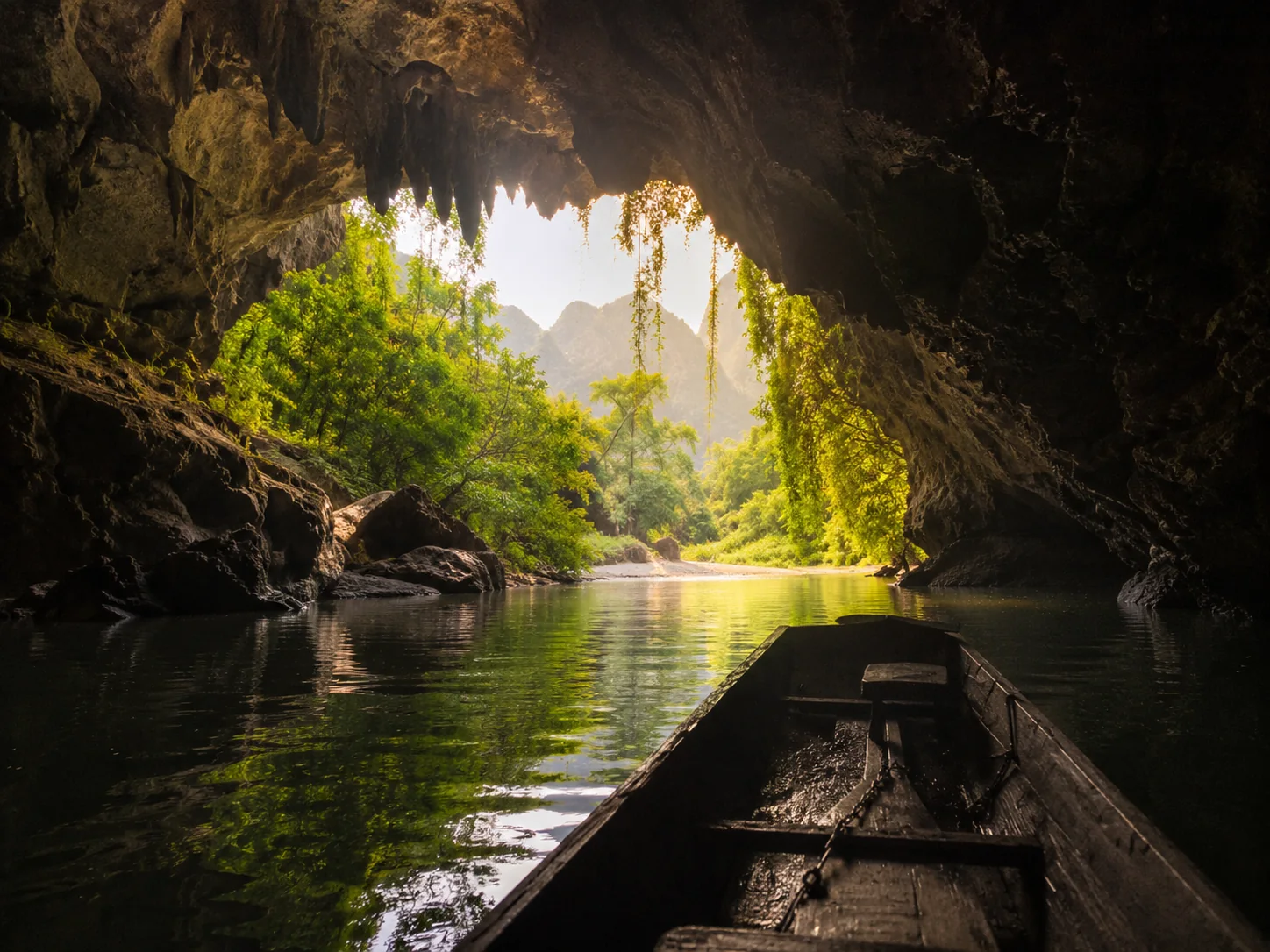
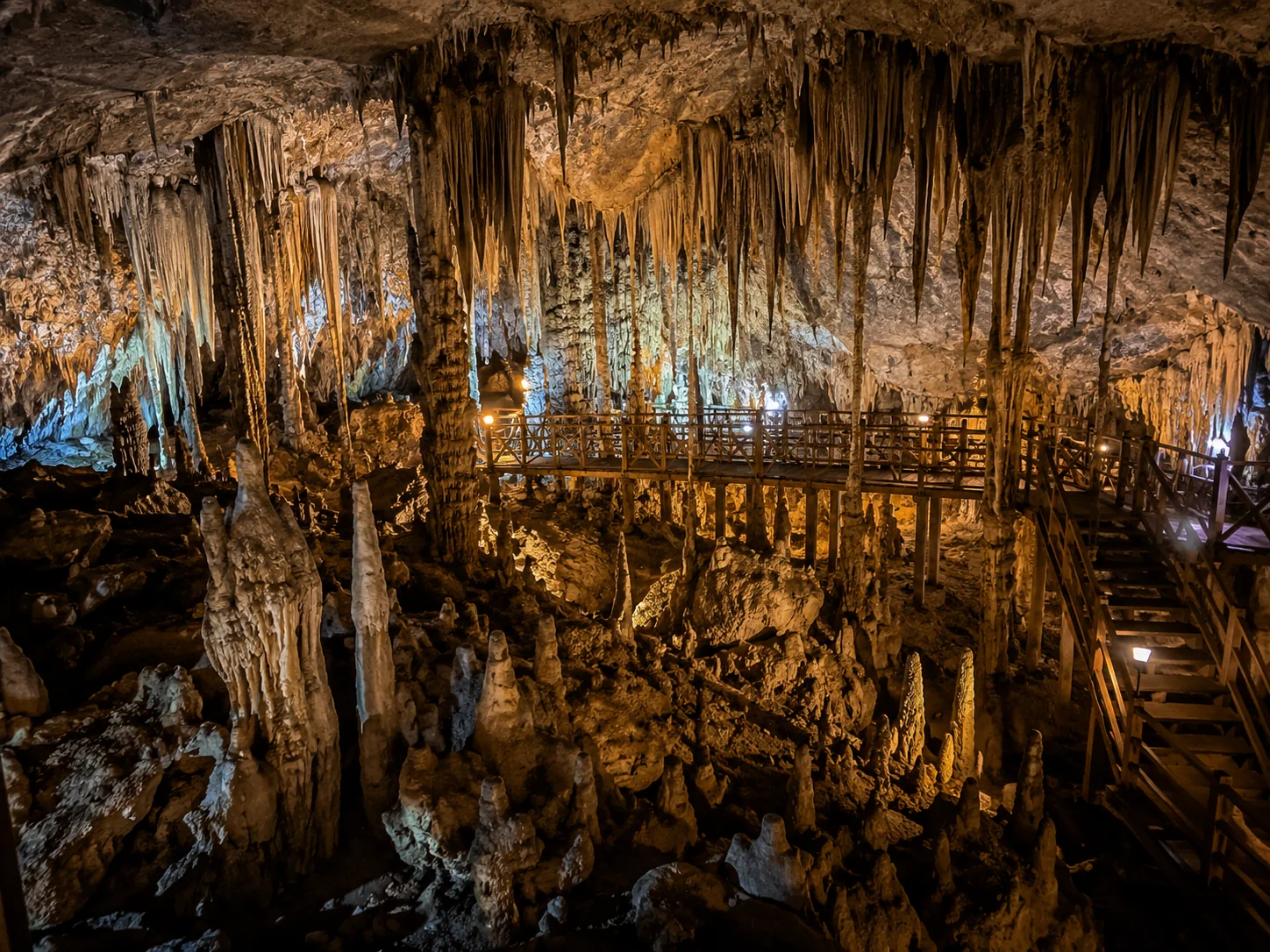
Khammouane Tourism currently defines the classic Thakhek Loop as roughly 450 kilometres, but the number alone misses why the route works. The first day leaves the Mekong and runs east through Route 12’s limestone corridor and Cave Alley before climbing onto the Nakai Plateau toward Thalang. The second day trades caves for forest, reservoir country and winding karst roads on the way to Khoun Kham. Kong Lor dominates the third day, then Route 8 and Route 13 carry the final leg back toward Thakhek. The caves are major stops, but the thread holding them together is the road itself: changing limestone, villages, water, forest and the sense of moving through an entire province rather than shuttling between attractions.
THE PACE
Four days gives the route room to breathe
The current official classic itinerary is four days and three nights: about 105 km from Thakhek to Thalang, 145 km to Khoun Kham, an 85 km Kong Lor day, then roughly 150 km back to Thakhek. The tourism office also frames three to five days as the broader recommended window. Three days can work only by cutting stops and accepting longer riding blocks; five days makes sense if you want slower cave visits, swimming stops or an extra night around Kong Lor. For most travellers, four days is the useful middle ground: enough structure to know where you are sleeping without turning every daylight hour into a race against the map.


THE BIKE
Choose the bike you want to trust far from town
Khammouane Tourism currently recommends a semi-automatic 110cc or a manual bike for the Loop. The useful part of that advice is not chasing power; it is choosing something simple, familiar and in good condition. Before leaving Thakhek, test both brakes, tyres, lights and indicators, check that the steering feels straight and make sure you understand the rental terms and what happens if the bike develops a problem away from town. Leave the large backpack behind if the rental shop or accommodation can store it. A small, predictable bike with a light load suits this route better than carrying half your trip around Khammouane.
THE LOGISTICS
Fuel, cash and daylight are part of the route
The official Loop guide advises downloading an offline map before departure because signal can become weak, filling up whenever you see a fuel station because some stretches can run 50–80 kilometres between pumps, and carrying enough cash from Thakhek rather than relying on ATMs along the circuit. The other rule is daylight. Mountain curves, animals, road damage and changing weather are much easier to read when you can actually see them, and the tourism office explicitly advises against riding at night. Build each day around arriving before dark rather than around squeezing in one last attraction.
FIELD NOTE · BEFORE YOU LEAVE
The Loop rewards boring decisions
A helmet that fits, a bike checked before departure, rain gear within reach, offline navigation, cash, water and enough fuel are not the memorable parts of the Thakhek Loop — which is exactly why they matter. The route crosses developed roads, mountain sections and long gaps between services, and conditions can change with rain or maintenance. Start early, ride at a pace that leaves room for the unexpected and let a missed cave be cheaper than a rushed final hour after sunset. The good version of the Loop is the one where the logistics disappear into the background because you handled them before they became a problem.
QUESTIONS BEFORE GOING
Thakhek Loop,without the guesswork
Five things worth clearing up before you go.
How many days do you need for the Thakhek Loop?
Khammouane Tourism currently presents four days and three nights as the classic itinerary and three to five days as the recommended overall range. Four days is the strongest default for most travellers; three days means cutting stops, while five gives more room for caves, swimming places and slower mornings.
How long is the Thakhek Loop?
The current official route is about 450 kilometres in total. The classic stages are roughly 105 km from Thakhek to Thalang, 145 km to Khoun Kham, an 85 km Kong Lor day, then about 150 km back to Thakhek.
What motorbike is recommended for the Thakhek Loop?
Khammouane Tourism currently recommends a semi-automatic 110cc or a manual bike and quotes a general rental range of about 100,000–200,000 kip per day. Whatever you rent, test the brakes, tyres, lights and handling before leaving Thakhek and confirm the shop's breakdown and damage terms.
What is the best time of year for the Thakhek Loop?
The cool dry period around November to February is the easiest planning window according to current Khammouane Tourism guidance. The Loop can be affected by rain and changing road conditions outside that window, so check current weather and local road advice before departure rather than treating any month as guaranteed.
What should I prepare before starting the Thakhek Loop?
Download an offline map, withdraw enough cash, start with a full tank, carry rain gear and personal medicine, and keep your luggage light. The official guide warns of weak mobile signal, fuel gaps of 50–80 km on some stretches and advises against riding at night.
PLAN YOUR VISIT
Thakhek Loop,at a glance
The practical details worth keeping close before you go.
Classic format
450 km · 4 days / 3 nights
Khammouane Tourism currently presents four days and three nights as the classic itinerary and three to five days as the broader recommended window. Four days is the best baseline if you want the major stops without turning each day into a long transfer.
Daily rhythm
105 km → 145 km → 85 km → 150 km
The official classic stages are Thakhek–Thalang, Thalang–Khoun Kham, the Kong Lor day, then Khoun Kham–Thakhek. Distances are planning references rather than targets; road, weather and stop time should decide the real pace.
Motorbike
Semi-auto 110cc or manual recommended
The current official guide recommends these simple bike types and quotes roughly 100,000–200,000 kip per rental day. Check brakes, tyres, lights and rental terms before leaving; price and bike availability can change by shop and season.
Navigation
Download an offline map before Day 1
Mobile signal is weak in parts of the route. Khammouane Tourism recommends Maps.me or offline Google Maps; save the route and key overnight stops while you still have a reliable connection in Thakhek.
Fuel & cash
Fill early · carry enough cash
The official guide warns that some fuel stops can be 50–80 km apart and advises filling whenever you have the opportunity. It also recommends withdrawing cash before leaving Thakhek rather than depending on ATMs during the circuit.
Road safety
Helmet on · finish riding before dark
Mountain roads, rain and changing surface conditions make daylight useful. Ride slowly on bends, carry rain gear and personal medicine, keep luggage light and do not plan a night-riding finish just to squeeze in another stop.
KEEP IT IN YOUR ATLAS
Save Thakhek Loop for the road.
Keep this field note close. Add it to My Atlas now, or open the map when you are ready to work out the route.

Keep exploring Thakhek.





Field note method. Wikipedia is used as a research starting point for history and geography when a relevant article exists. Facts are checked against official, local or specialist sources where possible. Independent travel blogs and field reports are used to identify practical questions, recurring observations and traveller perspective; their wording is not copied.
Sources & photo licences
Research sources
Photo licences
- Phó Nháy · Public domain ↗
- Adriaan Castermans · CC BY-SA 3.0 ↗
- Adriaan Castermans · CC BY-SA 3.0 ↗
- Busy · CC BY-SA 3.0 ↗
- GIZ ProFEB / Lucas Wahl · Attribution · NoDerivatives ↗
- User-supplied photo · User-supplied
- User-supplied photo · User-supplied
- User-supplied photo · User-supplied
- Aleksey Gnilenkov · CC BY 2.0 ↗
- Aleksey Gnilenkov · CC BY 2.0 ↗
- chalongrat hantragul · CC BY 3.0 ↗
- Adriaan Castermans · See Wikimedia Commons file page ↗
- Aleksey Gnilenkov · CC BY 2.0 ↗
- User-supplied photo · User-supplied
- User-supplied photo · User-supplied
- User-supplied photo · User-supplied
- BacLuong · CC BY-SA 4.0 ↗
- Tango7174 · CC BY-SA 4.0 ↗
- GIZ ProFEB · Nomination File · Attribution · NoDerivatives ↗